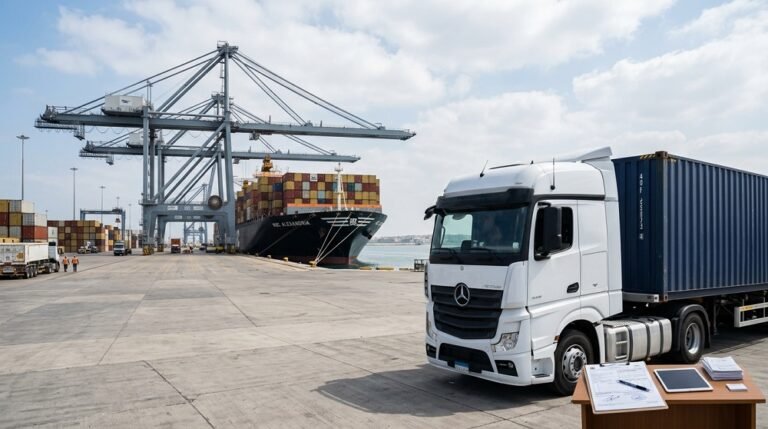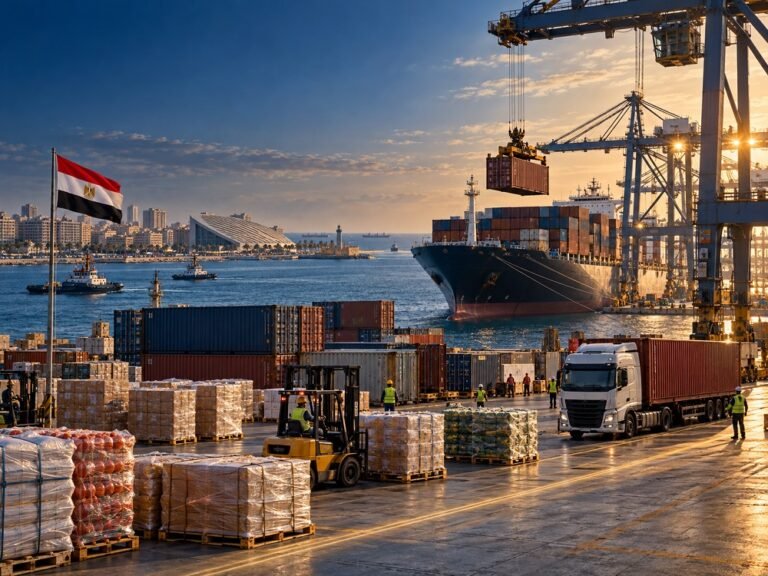

Exporting goods from Egypt has become an important opportunity for manufacturers, suppliers and business owners looking to reach new markets and expand their commercial activities. Egypt’s strategic location, along with its network of ports, airports and roads, provides businesses with several options for transporting goods to destinations around the world.
However, successful exporting involves more than having a quality product. Choosing the right shipping method, preparing the required documents, using suitable packaging, understanding customs procedures and identifying the import requirements of the destination country can all affect shipping costs, delivery times and cargo safety.
Working with an international shipping company in Egypt can therefore help coordinate the different stages of the process, from collecting the goods through to international transportation, customs clearance and final delivery, based on the type of cargo and destination.
What Does Exporting Goods from Egypt Mean?
Exporting goods means transporting products from Egypt to another country for commercial, distribution or industrial purposes. The process may involve preparing the shipment, arranging export documentation, booking transportation, completing customs procedures and delivering the goods to the importer or agreed destination.
A wide range of products can be exported from Egypt, including food products, clothing, furniture, building materials, spare parts, machinery and equipment, agricultural products, raw materials and many other types of goods.
Export requirements vary depending on the type of product and the destination country. For this reason, exporters should review the requirements that apply to each shipment before starting the transportation process.
Steps for Exporting Goods from Egypt
1. Identify the Product and Target Market
The export process starts by identifying the product you want to export and the country or markets you intend to target. At this stage, it is important to confirm that the product meets the requirements of the destination market, including any specifications, certificates or licences required for certain types of goods.
The fact that a product can be exported from Egypt does not necessarily mean it can enter another country without additional requirements. Exporters should therefore check the import regulations of the destination country before shipping the goods.
2. Confirm That the Product Is Suitable for Export
Once the target market has been identified, the product should be reviewed to ensure that it meets the relevant export requirements. Depending on the product, this may involve quality certificates, certificates of origin, inspections, laboratory testing or approvals from relevant authorities.
It is also important to classify and describe the product accurately in the shipping and customs documents. Clear and accurate information can help simplify procedures and reduce the risk of delays.
3. Agree on the Terms with the Importer
The commercial agreement should define the quantity of goods, price, payment terms, delivery date and each party’s responsibilities for shipping, insurance and customs.
The applicable international trade terms should also be clearly established so that the responsibilities of the seller and buyer, as well as the costs associated with transportation and delivery, are understood from the beginning.
4. Prepare Export Documents
The required documents vary depending on the product, destination and shipping method, but may include:
- Commercial invoice
- Packing list
- Certificate of origin
- Bill of lading or airway bill
- Customs declaration
- Quality or inspection certificates, where required
- Licences or approvals related to the product
All shipment documents should be carefully reviewed to ensure that product names, quantities, weights and values are consistent. Differences between documents can result in additional checks or delays.
5. Pack and Prepare the Goods for Shipping
Suitable packaging helps protect goods from impacts, moisture and pressure during transportation. The type of packaging required depends on the nature, weight, sensitivity and shipping method of the product.
Some shipments may require cardboard boxes, pallets, wooden crates, protective materials, insulation or other specialised packaging solutions.
Clear shipping marks should also be placed on the packages, including the recipient’s details, destination, number of packages and any special handling instructions, particularly for fragile or sensitive goods.
Choosing the Export Destination and Understanding Import Requirements
It is important to review the requirements of the destination country before booking the shipment. Product specifications, labelling requirements and required certificates may differ from one market to another, while certain products may also be subject to specific import procedures.
Exporters should therefore gather information about the product and destination in advance, identify the required documents, establish the delivery method and clarify responsibilities for transportation and customs clearance before the goods are shipped.
The clearer the shipment and destination requirements are from the beginning, the easier it becomes to select the appropriate shipping method and logistics solution.
Choosing the Right Shipping Method
Air Freight
Air freight is a suitable option for urgent shipments, high-value products, commercial samples, spare parts and other goods that require a shorter transit time.
Air freight generally provides faster transportation than some other shipping methods, although it can be more expensive. Businesses should therefore balance the required delivery speed with the shipment size and available budget.
Sea Freight
Sea freight is widely used for large and heavy shipments and for goods that do not require urgent delivery.
Businesses can choose between a full container load and less-than-container-load shipping depending on the size of the cargo, shipment requirements, budget and final destination.
Land Transport
Land transport can be suitable for moving goods within Egypt and for shipments that can be transported through regional road networks.
It can also be used to move goods from a factory or warehouse to a port or airport before the international shipping stage begins.
Door-to-Door Shipping
Door-to-door shipping combines several logistics stages into one solution, starting with collection from the sender’s location and continuing through transportation and delivery to the agreed final address.
This service can be useful for businesses that want to reduce the number of parties involved in their export process while having a single point of coordination for the different stages of the shipment.
Main Shipping Gateways in Egypt
Egypt’s logistics network provides several options for moving goods, depending on the type of cargo, transportation method and final destination.
Key departure points include:
- Cairo: Suitable for air freight, distribution and domestic logistics connections.
- Alexandria: An important option for sea freight and containerised cargo through the Mediterranean.
- Ain Sokhna: A key location for cargo movement and container operations on the Red Sea.
- Port Said: An important gateway for international maritime trade routes.
The most suitable departure point depends on the location of the goods, destination and required shipping method.
Customs Clearance When Exporting Goods from Egypt
Customs clearance is an important stage of the export process. It involves submitting the required documents, entering shipment details, dealing with inspections or required approvals and completing the procedures necessary for export release.
Preparing the documentation in advance and ensuring that shipment details are consistent can help reduce the risk of delays. Products should also be described accurately and classified according to their nature and applicable customs requirements.
Businesses may benefit from working with an experienced logistics provider that can coordinate shipping documentation and the procedures involved in moving goods through customs.
What Factors Determine the Cost of Exporting Goods?
There is no fixed cost for every export shipment. The final price depends on several factors, including:
- Type and handling requirements of the goods
- Actual and volumetric weight
- Number and dimensions of packages
- Destination country and city
- Shipping method
- Packaging costs
- Insurance, where required
- Port or airport charges
- Domestic transportation
- Warehousing
- Customs services
- Required delivery speed
For an accurate quotation, it is best to provide a clear description of the goods, number of packages, weights and dimensions, collection location, final destination and required delivery date.
The Importance of Warehousing Before Export
Goods may need to be stored temporarily while production is completed, documentation is prepared or the shipping date approaches.
Warehousing services can provide suitable space for receiving, organising and preparing goods before shipment. Inventory management, packing and labelling can also help reduce errors when cargo is loaded or handed over to the carrier.
How Can You Reduce the Risks of Exporting Goods from Egypt?
Export risks can be reduced through careful planning and by reviewing the destination country’s requirements before shipping the goods.
Start by confirming the documents required for the product and destination, use packaging that is suitable for the journey, and check the recipient’s details, quantities and weights before handing over the shipment.
It is also important to keep copies of the shipping documents and review the details on the bill of lading or airway bill. Insurance can also be considered when the goods are particularly valuable or require additional protection during transportation.
Using one logistics provider to coordinate collection, transportation, customs clearance, warehousing and delivery can also make the overall export process easier to manage.
Why Choose Abdelrahman Barakat for Exporting Goods from Egypt?
Abdelrahman Barakat provides logistics solutions covering air freight, sea freight, land transport, customs clearance, door-to-door shipping and warehousing.
The process begins with reviewing the shipment details, followed by selecting a suitable route and transportation method and coordinating collection, documentation, transportation and customs procedures through to delivery.
The company supports a range of shipping and commercial requirements, helping manufacturers, suppliers and business owners organise the transportation of their goods from Egypt to their target markets.
Frequently Asked Questions About Exporting Goods from Egypt
What documents are required to export goods from Egypt?
Common documents include the commercial invoice, packing list, certificate of origin, bill of lading or airway bill and customs declaration. Additional certificates or approvals may be required depending on the product and destination country.
Is sea freight or air freight better for exports?
The right option depends on the shipment size, budget and required delivery time. Air freight generally offers shorter transit times, while sea freight is commonly suitable for larger and heavier shipments that do not require urgent delivery.
Can I export a small quantity of goods from Egypt?
Yes. Air freight or less-than-container-load sea freight can be used for smaller shipments, depending on the product, destination, shipment volume and overall cost.
How long does it take to export goods from Egypt?
The timeframe varies depending on the shipping method, destination country, document readiness and customs procedures. The preparation and customs clearance time should therefore be considered alongside the actual transportation time.
Can the goods be collected from the factory?
Yes. Goods can be collected from a factory or warehouse and transported to the relevant port or airport, with customs clearance, international shipping and delivery services added according to the required logistics solution.
Can a shipping company coordinate multiple stages of the export process?
Yes. A shipping company can coordinate several stages, including collection, domestic transportation, shipping documentation, international freight, customs clearance and final delivery, depending on the available services and nature of the shipment.
Start Exporting Goods from Egypt with a Clear Plan
If you are planning to export goods from Egypt, choosing the right route and transportation method and preparing the required documents in advance can help organise the shipping process and reduce the risk of delays.
Abdelrahman Barakat provides logistics solutions covering air freight, sea freight, land transport, customs clearance, warehousing and door-to-door shipping, helping coordinate the different stages of a shipment from collection through to delivery.
You can request a shipping quotation by providing details about the goods, collection location, destination, weight and dimensions so that the appropriate logistics solution can be identified for your shipment.
“`